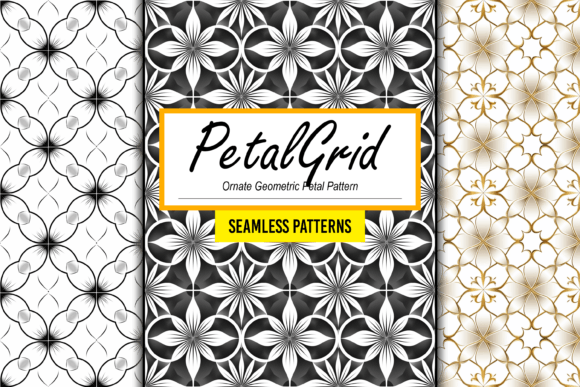
Tribal Art Pattern: Strategic Visual Assets for Purposeful Branding
In the crowded digital marketplace, visual differentiation is not merely an aesthetic choice; it is a strategic imperative. The Tribal Art Pattern represents more than a collection of black and white motifs; it serves as a sophisticated tool for entrepreneurs, creators, and decision-makers seeking to establish authenticity and depth in their communication. When deployed with intention, this high-resolution graphic asset transforms static designs into dynamic narratives that resonate with audiences on a psychological level.
The specific asset described here—a 4500 x 3000 pixel composition rendered at 300 dpi in JPEG format—offers immediate utility for professionals who demand precision. Unlike generic clip art, this design features various traditional symbols and patterns executed in a stark monochromatic palette. This lack of color distraction forces the viewer to focus on structure, flow, and symbolism, making it an ideal foundation for branding projects where clarity and impact are paramount.
The Strategic Value of Monochromatic Symbolism
Why choose a black and white tribal design over a colorful alternative? From a strategic standpoint, the answer lies in versatility and timelessness. Color trends are fleeting, often dictated by seasonal marketing cycles or social media algorithms. However, the interplay of light and shadow inherent in black and white art possesses a permanence that transcends temporary fads. For small business owners and freelancers building long-term brand equity, investing in assets that do not date quickly is essential.
The Tribal Art Pattern utilizes traditional symbols to evoke a sense of heritage, community, and resilience. These elements are deeply rooted in human history, triggering subconscious associations with strength and unity. When integrated into a logo, website background, or packaging design, these symbols communicate stability without the need for verbose explanations. This aligns perfectly with the goal of reducing cognitive load for your customers; a clear visual message allows them to understand your brand's core values instantly.
Furthermore, the high resolution of 300 dpi ensures that this pattern remains crisp whether used for a mobile app icon or a large-format trade show banner. In the realm of print-on-demand services, where physical products are created from digital files, resolution is the difference between a professional finish and a blurry failure. By securing a watermark-free, zipped file immediately after purchase, you eliminate the bottleneck of waiting for production or dealing with copyright ambiguities.
Integrating Tribal Motifs into Operational Goals
Effective planning requires tools that support both creativity and operational efficiency. The Tribal Art Pattern can be strategically applied across various stages of a business lifecycle. Consider how a marketer might utilize this asset to reposition a product line. If a brand wishes to pivot towards a narrative of "back to basics" or "artisanal quality," overlaying this pattern on promotional materials can subtly reinforce that message without changing the entire color scheme.
- Brand Positioning: Use the pattern as a subtle texture behind text to add depth to landing pages. The contrast draws the eye to calls-to-action while maintaining a clean, uncluttered interface.
- Product Differentiation: For hobbyists or manufacturers creating physical goods, this pattern can serve as a unique selling proposition. The intricate details of the traditional symbols distinguish the product from mass-market competitors who rely on generic imagery.
- Content Marketing: Bloggers and publishers can use sections of the pattern to break up long-form content. A header image featuring the black and white tribal design signals to the reader that the following content is substantial and well-crafted.
The ability to download the zipped file immediately means that campaigns can be launched without delay. In fast-paced environments, speed to market is a competitive advantage. Having the raw material ready allows teams to iterate quickly, testing different layouts and applications until the optimal visual strategy is found.
Decision-Making Frameworks for Visual Selection
Before integrating any visual asset into a project, a decision-maker must evaluate the context. The Tribal Art Pattern is powerful, but its power is contingent upon appropriate application. Relying on visual trends without understanding the underlying goals can lead to disjointed branding. To avoid this, consider the following framework when deciding if this pattern fits your current objectives.
Assessing Audience Alignment
Who is your target audience? Adults aged 20–50 span a wide demographic range, from Gen Z millennials to older boomers. While the tribal motif has universal appeal, the specific interpretation varies. For a younger audience interested in streetwear or modern minimalism, the bold lines and geometric shapes may feel edgy and contemporary. For a more mature audience valuing tradition and craftsmanship, the same symbols may convey wisdom and reliability. Understanding this nuance is critical before finalizing a design direction.
Evaluating Technical Constraints
While the provided file is a high-quality JPEG, it is important to remember that monitors display colors differently. Even in a black and white spectrum, screen calibration affects the perceived contrast and brightness. If your project involves printing, you must account for the fact that the actual printed product may vary slightly from what you see on your gadget monitor. This is not a defect but a characteristic of digital-to-physical conversion. Always order a proof or test print before committing to a large-scale production run.
Risks of Unintentional Usage
Without clear goals, even the most beautiful asset can become noise. A common pitfall for entrepreneurs is the indiscriminate use of decorative elements. Applying the Tribal Art Pattern simply because it looks interesting, without considering its role in the overall user experience, can distract from the primary message. If the pattern competes with the text or obscures navigation elements, it fails its strategic purpose.
Another risk is cultural insensitivity. Traditional symbols carry specific meanings within their cultures of origin. As a professional, it is vital to research the origins of the patterns used in your commercial work. Ensure that the usage respects the source culture and does not appropriate sacred or significant imagery in a trivializing manner. Thoughtful integration involves honoring the design rather than merely exploiting its aesthetic.
Additionally, relying solely on a single visual style can limit scalability. If a brand grows, the initial design must be adaptable. A black and white pattern is excellent for versatility, but ensure that the system supports color variations if the brand evolves. The digital nature of the file allows for easy manipulation, but the strategic plan should anticipate future needs.
Maximizing Long-Term Results Through Intentionality
The ultimate goal of using any design asset is to achieve better results. Whether that means increased engagement, higher conversion rates, or stronger customer loyalty, the Tribal Art Pattern contributes to these outcomes when used as part of a cohesive strategy. It acts as a visual anchor, providing consistency across different touchpoints.
For educators and professionals creating presentations or educational materials, this pattern can add a layer of sophistication that elevates the perceived value of the content. It signals attention to detail and a commitment to quality. Similarly, for publishers, it offers a way to create distinct series identities without incurring the cost of custom illustration for every new release.
To maximize the return on investment, treat the download as a foundational element rather than a finishing touch. Build your layout around the strengths of the pattern. Let the traditional symbols guide the flow of information. Use the high resolution to your advantage by creating textures that invite interaction. When the visual strategy aligns with the business strategy, the result is a brand that feels authentic and enduring.
In conclusion, the Tribal Art Pattern is a versatile, high-value resource for those who understand the power of intentional design. By focusing on the structural integrity of the black and white motifs and respecting the nuances of their application, professionals can create communications that stand out in a noisy world. The immediate availability of the file removes technical barriers, allowing you to focus on what matters most: making better decisions and achieving superior results for your venture.
Remember that while the digital preview provides a strong indication of the final output, the tactile reality of print offers a unique sensory experience. Embrace this transition from screen to page, ensuring that your vision remains intact through the process. With careful planning and a strategic mindset, this asset becomes more than just an image; it becomes a catalyst for growth and differentiation.