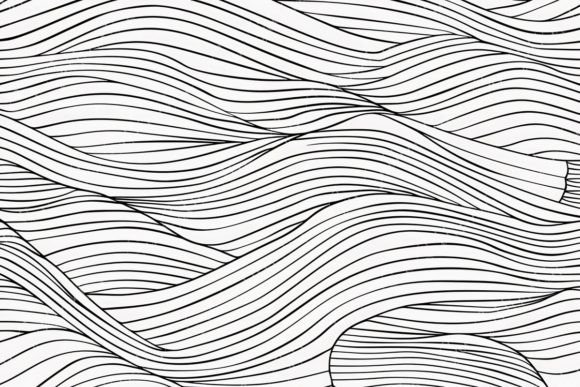
Abstract Line Waves: The Enduring Power of Minimalist Flow
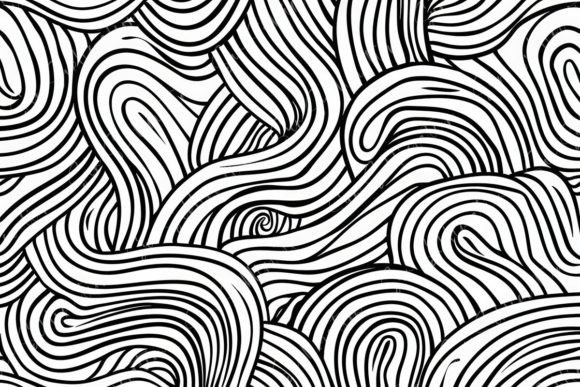
In a digital landscape saturated with hyper-realistic imagery, complex 3D renders, and vibrant color palettes designed to stop the scroll, there is a quiet resurgence of Abstract Line Waves. This aesthetic movement is not merely about drawing curves; it represents a fundamental shift in how we process visual information. At its core, this style utilizes the interplay between negative space and fluid geometry to evoke movement without clutter. When you encounter black and white abstract line art depicting flowing wave patterns over a white background, you are witnessing a deliberate reduction to the essential elements of design.
The relevance of Abstract Line Waves today cannot be overstated. For professionals, creators, and entrepreneurs, the modern workflow demands clarity. We are constantly bombarded by notifications, ads, and content that fights for attention. In response, our eyes and brains crave relief. A high-resolution image featuring continuous, rhythmic lines offers a moment of calm. It provides a visual anchor that allows the mind to rest while still engaging with the composition. This is why such artwork has transitioned from niche galleries to becoming a staple in corporate branding, interior design, and digital marketing strategies.
The Evolution of Visual Minimalism
To understand why these specific patterns are gaining traction, one must look at the evolution of visual communication. Decades ago, design was often ornate and heavy. As technology advanced, so did the need for speed and efficiency. The internet required assets that loaded quickly and looked sharp on small screens. This necessity birthed the era of flat design and minimalism. However, pure flat design can sometimes feel sterile or cold.
Abstract Line Waves bridge the gap between the rigidity of geometric shapes and the organic chaos of nature. They represent a maturation of the minimalist trend. Instead of static squares and circles, designers began incorporating fluid dynamics into their work. These flowing waves mimic natural phenomena—the ripple of water, the wind moving through grass, or the curvature of a coastline. By translating these organic movements into precise, mathematical lines, artists create a sense of motion that feels both controlled and free.
This evolution mirrors our changing habits. We live in an era of constant flux. Markets fluctuate, trends change overnight, and personal lives are rarely static. Art that captures this feeling of perpetual motion resonates deeply with the modern psyche. It acknowledges that life is not a straight line but a series of peaks and valleys, represented perfectly by the undulating forms found in high-quality line art.
Technical Precision Meets Artistic Expression
While the concept of line art is simple, the execution requires significant technical expertise. Consider the specifications of a premium asset like a 4500 x 3000 pixel file with a 300 dpi resolution. This level of detail is not accidental; it is a requirement for professional application. In the past, low-resolution images were acceptable for web use, but the rise of Retina displays and large-format printing has changed user expectations.
When a business owner commissions a poster, a website banner, or a brochure cover, they need an image that remains crisp regardless of the viewing medium. A standard JPEG might blur when enlarged, destroying the delicate integrity of the thin lines that define the wave pattern. By utilizing a JPEG format without a watermark at 300 dpi, creators ensure that every curve maintains its sharpness. This technical fidelity allows the artwork to scale from a mobile phone screen to a massive office wall mural without losing definition.
The choice of black and white is equally strategic. While color adds emotion, monochrome focuses the viewer on form and structure. In a busy environment, a stark contrast between deep black lines and a pure white background reduces cognitive load. It forces the eye to follow the path of the wave, creating a hypnotic effect that guides attention naturally. This makes it an ideal tool for backgrounds where text needs to be overlaid, ensuring readability without sacrificing aesthetic appeal.
Practical Applications for Modern Workflows
The utility of Abstract Line Waves extends far beyond decorative purposes. For marketers and bloggers, these images serve as versatile assets that can adapt to various brand identities. Because the theme is neutral, it fits seamlessly into industries ranging from finance and technology to wellness and education.
- Digital Marketing: Bloggers and content creators often struggle with finding unique headers that do not look stock-photo generic. A custom download of flowing wave patterns provides a unique visual identity. The immediate availability of the zipped file after purchase means campaigns can launch instantly, adhering to tight deadlines.
- Corporate Branding: Companies looking to project stability and forward-thinking innovation often choose these designs. The waves suggest growth and momentum, while the clean lines imply precision and order. Placing this art in lobbies or on presentation slides communicates a message of professionalism.
- Interior Design: For homeowners and decorators, the trend towards "quiet luxury" favors understated elegance. Large prints of flowing wave patterns over a white background add texture to a room without overwhelming the space. They pair well with modern furniture and industrial decor, adding a soft element to hard surfaces.
For freelancers and educators, the ability to access high-quality resources immediately is crucial. There is no time to wait for physical shipping or to deal with licensing restrictions that complicate usage. The model of immediate download empowers users to take ownership of their creative projects. Once the purchase is completed, the asset is ready to be integrated into presentations, social media graphics, or print materials.
Navigating Color and Expectations
One critical aspect of working with digital art is understanding the limitations of display technology. While the black and white spectrum seems absolute, the way monitors render these tones can vary significantly. Different gadgets and screens utilize different backlighting technologies, gamma settings, and color profiles. Consequently, the colors you view on the screen will vary from the actual colors on the printed product.
This discrepancy is particularly relevant for those planning large-scale prints. A monitor might display a slightly warm gray, while the printer produces a cool, crisp black. Understanding this variance is part of the professional workflow. It encourages creators to test proofs before finalizing large orders. Furthermore, because the design relies on high contrast rather than subtle gradients, the risk of color shifting is minimized compared to full-color photography. The purity of the white background ensures that the impact of the abstract line art remains consistent across most viewing conditions.
Despite these technical nuances, the value of the asset lies in its versatility. The no watermark guarantee ensures that the final output is clean and ready for commercial use. Whether you are a hobbyist creating a personal vision board or a business owner rebranding a company, the focus should remain on the artistic merit and the functional quality of the image.
The Future of Abstract Design
Looking ahead, the integration of Abstract Line Waves into our visual culture is likely to deepen. As artificial intelligence begins to generate more content, human-curated, hand-crafted (or meticulously crafted) line art may become even more prized. There is a growing appreciation for the imperfections and intentional flows that algorithms sometimes struggle to replicate naturally.
The market preference is shifting towards authenticity. People want to connect with content that feels grounded and real. A piece of art that captures the essence of flow and movement speaks to a universal human experience. It transcends language barriers and cultural differences, making it a powerful tool for global communication.
For the curious reader and the seasoned professional alike, exploring this genre offers a new perspective on simplicity. It reminds us that less can indeed be more, provided that the "less" is executed with intention and skill. The 4500 x 3000 pixel resolution ensures that this intention is preserved, allowing the details to shine whether viewed on a desktop or a billboard.
Ultimately, the appeal of Abstract Line Waves lies in its balance. It balances structure with freedom, tradition with modernity, and complexity with simplicity. By choosing to incorporate these visuals into your projects, you are aligning yourself with a design philosophy that values clarity, elegance, and timeless beauty. Thank you for visiting my store and considering this addition to your creative toolkit.